THC in Texas
Understanding THC in Texas: What is Legal and What is Not?
You walk down a crowded Austin street and see stores that openly sell cannabis products in a state once recognized for its strict drug laws. The reality of THC in Texas forms a complex situation that results from differences between federal regulations plus strict state statutes. To understand this system, you must realize that Texas does not regulate every cannabinoid in an identical manner. The state continues to prohibit recreational marijuana, but a sizable legal hemp industry functions alongside this prohibition and expands because particular language in the statutes allows Texas residents to purchase and also consume psychoactive products without violating the law.
The 0.3% Rule: Hemp-Derived vs. Marijuana-Derived THC
The legal line in Texas cannabis law depends on a very small percentage. State lawmakers copied the federal approach when they passed House Bill 1325, which made hemp and its derivatives legal. The law fixes a clear cutoff - the plant must contain no more than 0.3 percent Delta-9 THC when it is tested dry. A cannabis sample that meets or stays below this figure counts as industrial hemp. Any extract, edible or topical, made from such hemp can be purchased, possessed, and used without legal risk. A sample that exceeds the 0.3 percent limit is labeled marijuana plus strict criminal penalties apply. The Delta-9 THC molecule itself remains the same - only its legal label shifts because of the plant's source and the precisely measured amount of the compound.
Is Delta-9 THC Legal in Texas? Current Status
State law allows Delta-9 tetrahydrocannabinol statewide if the compound comes from hemp and the finished product holds no more than 0.3 percent of it by dry weight. This Delta-9 molecule triggers the classic cannabis effect that users label a high. Texas statutes define cannabis plants that contain less than 0.3 percent Delta-9 as hemp plus that tight definition created a lasting opening in the law. Sellers now offer Delta-9 daily in edibles, gummies and drinks. An edible supplies enough total mass so that manufacturers embed a fully psychoactive dose of hemp derived Delta-9 inside the food, but the percentage of the compound, measured against the entire dry weight, remains below the 0.3 percent limit. Provided the molecule is extracted from hemp that satisfies the state threshold but also the end product respects the fixed ratio, any adult may purchase and ingest it inside Texas without legal consequence.
The Texas THC Ban: Ongoing Legal Battles and Restrictions
Texas law labels certain THC isomers as illegal, but its phrasing conflicts with federal language. The 2018 Farm Bill protects hemp-derived cannabinoids, though Texas regulators repeatedly attempt to prohibit Delta-8 THC, a variant created in laboratories. Delta-8 and Delta-9 THC both activate CB1 receptors in the brain and spinal cord - this activation changes mood and provides medical relief. The molecules differ solely by the position of one double bond on the carbon ring, but officials argue that both substances behave plus therefore deserve identical prohibitions. Judges have issued orders that halt the bans because the compounds originate from lawful hemp CBD - the products remain on store shelves while litigation continues.
Are THC Gummies Legal in Texas?
THC gummies are legal in Texas only if the active material originates from hemp and the finished product contains no more than 0.3 percent Delta-9 THC in the dry material. The Delta-9 THC molecule that occurs in hemp is identical to the Delta-9 THC molecule that occurs in marijuana - both molecules have the chemical formula C21H30O2. Once a person swallows a gummy, the Delta-9 THC travels through the stomach plus intestine and arrives at the liver. Enzymes from the cytochrome P450 family in the liver convert Delta-9 THC into 11-hydroxy-THC. This metabolite dissolves readily in fat but also crosses the blood brain barrier more quickly than Delta-9 THC - it also remains attached to cannabinoid receptors for a longer period and with higher affinity. Texas law defines legality by a numeric threshold, not by pharmacological effect - the statute quantifies the amount of the molecule in the product and does not consider how the human body reacts to that amount. Detailed pharmacological information about cannabinoid metabolism is available in the literature at NCBI/NIH.
Legal Requirements for THC Gummies in Texas
Texas statute requires every legal THC gummy to pass rigorous chemical analysis. The laboratory must confirm that the Delta-9 THC content does not exceed 0.3 percent of the total mass and that the active compound originates from hemp. Analysts typically use High Performance Liquid Chromatography to establish the precise mass ratio of Delta-9 THC to the whole gummy. A standard gummy weighs multiple grams because gelatin, pectin, and sugars form its bulk. That large mass lets a single piece carry ten to fifteen milligrams of Delta-9 THC while the percentage stays under the legal ceiling. Once a person ingests the gummy, Delta-9 THC moves into the blood and attaches to G-protein-coupled receptors that belong to the native cannabinoid system. The binding changes presynaptic neurotransmitter release. Regulations from the Texas Department of State Health Services also oblige the producer to supply a complete Certificate of Analysis. The certificate must demonstrate that no residual solvents, mycotoxins or heavy metals remain - the gummy is safe for human consumption.
How to Identify Compliant THC Products
A newcomer should start with the smallest dose offered - the same individual needs to obtain a report from an independent laboratory to verify that the product complies with legal requirements.
Texas law requires every THC product to originate from hemp - a laboratory must test a dry sample and report no more than 0.3 percent Delta-9 THC. A shopper who wants a product that obeys this rule should choose only goods that display a QR code. After a phone scans the code, the screen must reveal a Certificate of Analysis that a licensed laboratory produced. The paper lists the precise THC concentration and also verifies that the product holds no hazardous solvents, no heavy metals plus no pesticide residue.
Where to Find the Best THC Gummies in Texas
Texas law restricts the types of THC that retail outlets are allowed to offer - buyers must choose a vendor with caution. The list that follows places the principal local suppliers of dependable gummies next to one another.
|
Retailer Type |
Product Quality & Variety |
COA Transparency |
Shopping Experience |
|
Specialty Hemp Dispensaries |
High (Focused entirely on cannabinoids) |
Excellent (Staff is knowledgeable on lab results) |
Consultative, in-person guidance |
|
Texas-Based Online Brands |
Very High (Full inventory access) |
Excellent (COAs directly on product pages) |
Convenient doorstep delivery, 21+ signature required |
|
Local Smoke & Vape Shops |
Medium (Mixed with nicotine/vape gear) |
Variable (Must manually inspect packaging) |
Fast, grab-and-go accessibility |
Finding a Texas Weed Dispensary Near Me
A person who wants to find a dispensary in Texas will discover two different types of stores. The first type includes medical centres that the state authorises to sell cannabis within the tightly regulated medical programme. The second type includes shops that offer products derived from hemp, like delta-8 or CBD, and that operate under the 2018 Farm Bill. When the shopper understands the regulations, the inventory, and the entry rules that govern each category, the shopper can select the store that fits the shopper's goal.
|
Dispensary Classification |
Legal Framework |
Access Requirements |
Primary Product Offerings |
|
TCUP Medical Dispensaries |
Texas Compassionate Use Program |
Active prescription & state registry ID |
Medical-grade tinctures, gummies up to 1% Delta-9 THC |
|
Recreational Hemp Dispensaries |
2018 US Farm Bill & Texas HB 1325 |
Valid government ID (Must be 21+) |
Delta-8, THCA flower, and compliant Delta-9 edibles (< 0.3%) |
|
CBD Pharmacies & Boutiques |
2018 US Farm Bill & Texas HB 1325 |
Valid government ID (Must be 21+) |
Broad-spectrum CBD, wellness topicals, low-dose micro-gummies |
Can You Buy THC at a Texas Dispensary?
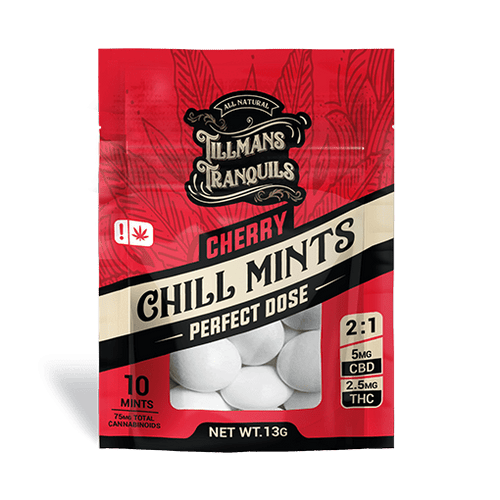
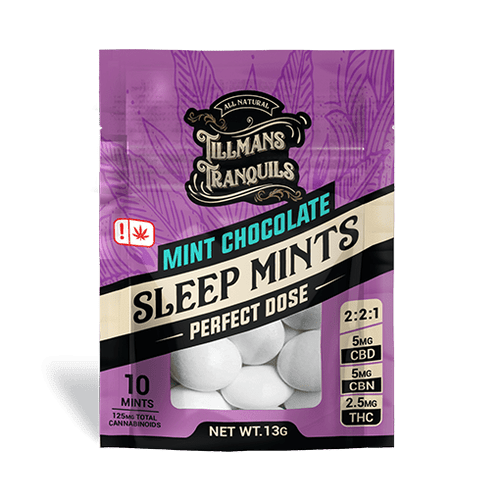
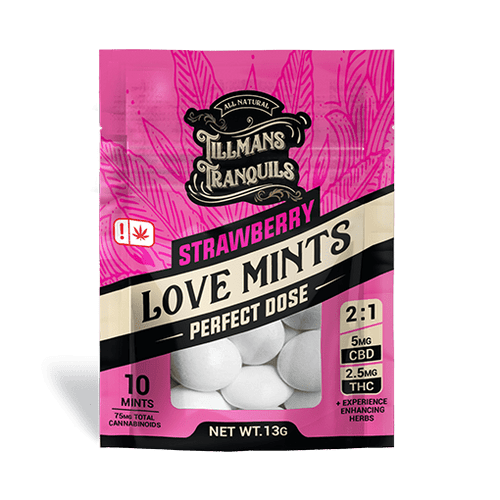
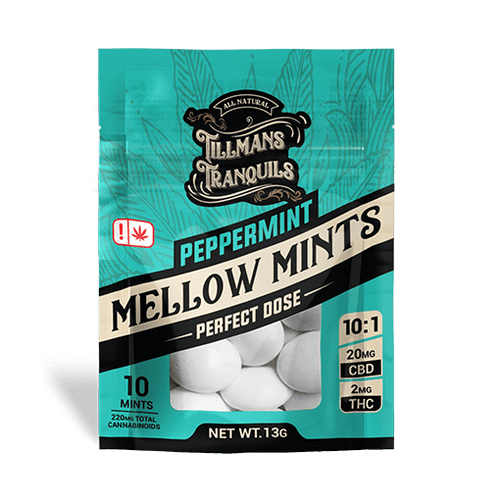
Remain watchful while you shop - Texas law permits the retail of hemp-derived THC, but numerous items on store shelves violate legal or safety requirements. Small smoke shops and fuel stations occasionally stock goods that were manufactured without any supervision. When you seek a reliable brand like Tillmanstranquils, examine every line printed on the package, plus insist on a third-party laboratory report - that single document verifies that the product complies with the law and is free of contaminants.
Medical Marijuana vs. Legal Hemp Dispensaries
Patients and shoppers must grasp the contrast between the two supply channels. The Texas Compassionate Use Program governs medical marijuana - a licensed physician writes a prescription plus the patient must satisfy narrow eligibility criteria linked to defined medical diagnoses. Legal hemp stores operate under a different rule set - they offer hemp-derived THC products to any adult who wants them, and no prescription is required, provided every item holds less than 0.3 percent Delta-9 THC by dry weight. Before you buy from either source, examine the label for precise dosing details, a complete ingredient roster, but also a batch number - those checks shield you from products that carry wrong data or unwanted contaminants.
| Category | Medical Marijuana (TCUP) | Legal Hemp Dispensaries |
|---|---|---|
| Access Requirement | Requires a physician’s prescription under the Texas Compassionate Use Program (TCUP) with eligibility based on qualifying conditions. | Available over the counter to adults without a prescription. |
| Regulatory Framework | Strictly regulated medical program with controlled access and oversight. | Operates under federal hemp laws, allowing sale of compliant products. |
| THC Limits | THC levels are regulated within the medical system according to state guidelines. | Must contain less than 0.3% Delta-9 THC on a dry weight basis to remain federally compliant. |
| Consumer Responsibility | Patients rely on physician guidance for dosing and product selection. | Consumers should verify labels, ingredient lists, and batch numbers to ensure safety and accuracy. |
Texas THC Laws: Penalties and Possession
Texas treats marijuana possession as a serious crime - a person who carries even a few grams risks thousands of dollars in fines and months in jail. The same state allows people to own hemp-derived THC but only if every step - seed to shelf - follows the hemp rules written in the agricultural code. Lawful hemp and unlawful marijuana share the same green color, the same leaf shape plus the same skunky odor. Officers cannot tell them apart without test results. To lower the chance of arrest, keep each item in its original factory seal. The label must carry a QR code that links straight to the third-party lab sheet.
Place safety first - always check for test results issued by a laboratory that operates without ties to the product maker.
Consequences of Exceeding the THC Limit
You break Texas law when you keep any item that contains more than 0.3 percent Delta-9 THC measured by dry weight. The state labels that item as marijuana. The penalty starts at the misdemeanor level and rises to a felony, plus the amount you possess decides which charge applies.
Frequently Asked Questions About THC in Texas
Final Thoughts on Texas THC Laws
Final Reflections - If you want to use legal hemp products without risk, you must learn the exact rules that govern your area. Start your improved wellness plan now with products that meet every legal standard and that come from high-grade hemp. Choose only organically grown material to receive the greatest benefit.