THC in North Carolina
Understanding North Carolina THC Laws: What is Legal?
North Carolina approaches drug control with firm rules, and cannabis remains the focal point of that policy. For a long period, the state stood with the most restrictive members of the South - many locals, plus visitors, believed that no portion of the plant was legal. The present statutes go beyond a simple prohibition. Federal and state farm measures recast the definition of legal hemp, but also those revisions created room for a fresh industry that now functions in plain sight across North Carolina. Permission for any item rests on three exact figures - the share of delta-9-THC the sample carries, the strain of Cannabis sativa used as source, and the section of the plant listed in state law.
Is Cannabis Legal in North Carolina for Recreational Use?
North Carolina keeps recreational marijuana completely illegal. The state will not allow adults to use cannabis without penalty. Anyone who has, sells, or cultivates the plant risks severe punishment. In the late nineteen seventies, legislators created a limited exception - a person found with less than half an ounce receives a fine rather than immediate jail time. The act is still classed as a misdemeanor and stays on the record. No recreational marijuana store operates anywhere within the state borders. Statutes block every possible outlet - residents must abandon the idea of a legal retail purchase.
Hemp vs. Marijuana: Why Some THC is Legal in North Carolina
Cannabis sativa has two legal names in North Carolina - state law names one group hemp and the other marijuana, even though the same plant produces both. The only test is chemistry - when the dry material holds 0.3 percent delta-9-THC or less, the crop counts as hemp. Once Congress approved the 2018 Farm Bill, North Carolina copied its language and allowed farmers to raise hemp plus to trade every part of it. Because hemp forms dozens of cannabinoids, the same statutes let processors pull tetrahydrocannabinol out of compliant plants. Goods that stay under the 0.3 percent limit and come from a state-approved hemp operation skip the tighter rules that govern marijuana. Shops throughout North Carolina now set those hemp tetrahydrocannabinol products on their shelves, shielded by the federal farm measure.
Is THC Legal in North Carolina? The 0.3% Delta-9 Rule
In North Carolina, THC remains lawful only if a plant or a product contains no more than 0.3 percent Delta-9 THC relative to the material's dry weight. State and federal law set this exact boundary in North Carolina law. The strict limit encourages producers to adopt new techniques. Manufacturers prepare potent edibles - blending a tiny measure of Delta-9 THC into a dense gummy or a thick chocolate - the final product still meets the 0.3 percent rule - the state classifies it as hemp. The statutes prohibit solely Delta-9 THC - other compounds that originate from hemp - Delta-8, Delta-10, and THCA - are offered for open sale. People within the state buy those products and feel clear psychoactive results without breaking local law.
THC Gummies North Carolina: Buying Guide
A person who wants to buy and use hemp products legally in North Carolina must understand the state rules, plus how the human body processes cannabinoids. Once a person swallows a THC gummy, the cannabinoids pass through the stomach and intestines and then arrive at the liver. Enzymes in the liver that belong to the cytochrome P450 family convert Delta-9-THC into 11-hydroxy-THC. This new compound dissolves well in fat and crosses the blood-brain barrier more quickly than the original THC. It also binds to CB1 receptors in the brain with greater strength. Because of those steps, edible gummies produce effects later than smoked or vaped cannabis, but the experienced results persist longer and feel stronger.
Are THC Gummies Legal in North Carolina?
THC gummies are legal in North Carolina when the active compound is taken from industrial hemp and the edible contains 0.3 percent or less Delta-9 THC by dry weight. State law keeps hemp apart from marijuana through a written rule, not through plant biology. Both crops fall under the single species Cannabis sativa L. Hemp shows reduced activity of the enzyme THCA synthase, and that difference places it in a separate legal class. The THC that forms in hemp is the same molecule that forms in marijuana, and the human body treats both versions. Published research demonstrates that those plant cannabinoids switch on the endocannabinoid system. They bind to CB1 and CB2 G-protein coupled receptors, a step that changes the flow of signals between nerve cells, regardless of whether the compound came from hemp or from marijuana.
Can You Buy THC Gummies in North Carolina Over the Counter?
Adults who have reached the legal age purchase hemp-derived THC gummies without a prescription at dispensaries, pharmacies, and stores that sell cannabis products. After the gummy is swallowed, the cannabinoids inside it travel to the small intestine. They dissolve into fat droplets because THC does not mix with water. The gummy must contain either dietary fat or a plant oil so that the intestine can form tiny fat packets called micelles. Those packets carry the THC across the intestinal lining and into the bloodstream. Once the cannabinoids circulate through the body, they move backward across nerve junctions. At the end of the sending side of each synapse, they modify the gates that control calcium and potassium. The changed gates prevent the release of the primary signaling chemicals, glutamate, besides GABA. This leads to the widespread bodily effects that users anticipate after consuming THC.
Are Delta 9 Gummies Legal in North Carolina?
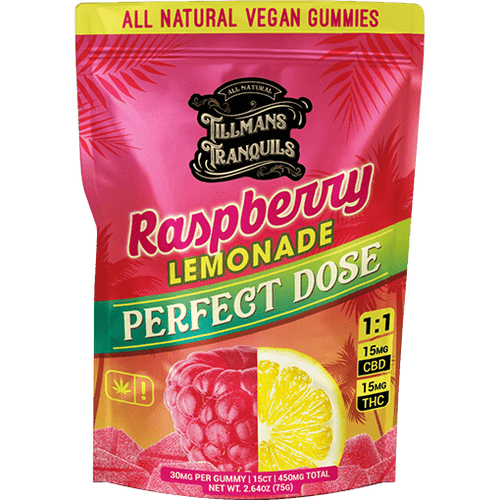
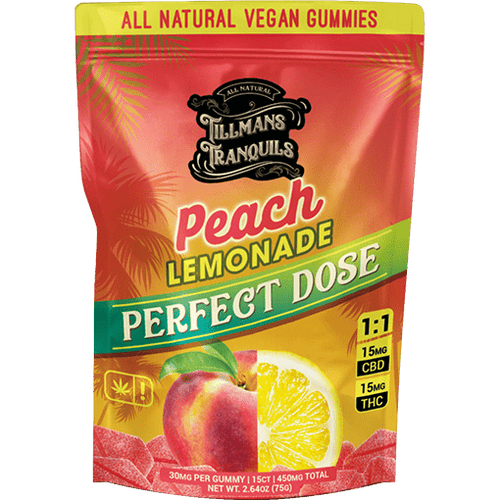
North Carolina allows Delta 9 gummies when the Delta-9 THC content stays under 0.3 percent of the dried product's weight. A five-gram gummy holds enough sugar, water, and pectin to permit fifteen milligrams of Delta-9 THC while the total still meets the federal limit. Delta-9-tetrahydrocannabinol acts as a partial activator of the CB1 receptor. Once the Delta-9 molecule binds to that receptor, it starts a sequence inside the cell that blocks the enzyme adenylate cyclase and reduces cyclic AMP levels. This one receptor-controlled step governs the highs, shifts in perception, appetite regulation plus pain control.
How to Find the Best THC Gummies North Carolina Offers
|
Purchasing Factor |
What to Look For in NC |
|
Third-Party Testing |
Always check for a Certificate of Analysis (COA) to ensure compliance with NC state laws and product safety. |
|
Hemp Sourcing |
Opt for brands utilizing hemp grown locally in North Carolina or domestic US farms. |
|
Potency & Ratios |
Review the CBD to THC ratio. Balanced ratios offer a smoother experience, while higher THC doses provide stronger effects. |
|
Ingredients |
Prioritize gummies made with natural fruit flavors, vegan pectin, and minimal artificial additives. |
The Boom of North Carolina THC Drinks
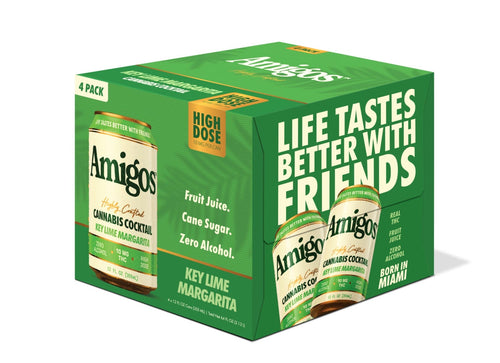
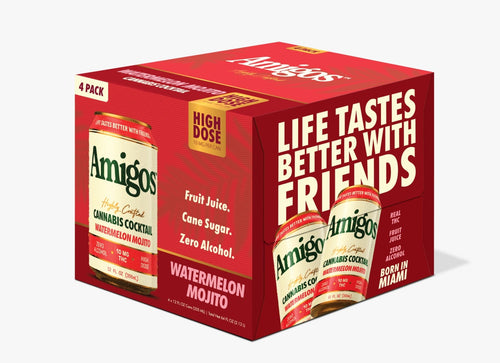
Hemp users now buy products and drinks that contain THC - those items appear in every county. Retailers stock seltzer in cans, soda in bottles plus cold tea in glass bottles. Each bottle or can labels the exact amount of the compound it contains. People open those drinks during house parties at private homes, inside neighborhood brew houses, and in concert halls. The drink enters the stomach and the bloodstream fast. Many consumers notice the first change between fifteen and thirty minutes after the first sip. Because the wait is short, groups who want to talk as well as relax choose this drink instead of beer or liquor.
Are THC Drinks Legal in North Carolina?
North Carolina permits THC drinks that meet the 2018 Farm Bill. The THC must originate from hemp, and the Delta-9 THC must measure less than 0.3 percent of the beverage's dry weight. A canned drink holds a large mass - many milligrams of THC fit inside, while the share of Delta-9 THC stays below the legal threshold.
Where to Find North Carolina THC Drinks and Seltzers
A beginner should swallow half a can, then pause for thirty to forty-five minutes and observe how the body reacts. After that period, the person decides whether to consume an extra amount.
Shoppers in Charlotte, Asheville, and Raleigh enter CBD and hemp stores to purchase widely recognized hemp drinks. Craft beverage outlets, selected bottle shops plus specialized websites also carry numerous THC seltzers that pass state tests and meet North Carolina rules. A buyer places an order on a web page, and a delivery driver brings the sealed cans to the customer's address.
Understanding Dosage: Are Gummies Legal in North Carolina with High Potency?
Safety must come first - before you purchase or operate any product, ask for clear evidence that an independent laboratory has already tested it. Access the report through this link: FDA/JAMA Source.
Residents of this state who wish to sample potent hemp gummies need to study the precise regulations that control hemp goods. Check each wrapper for a fake seal and verify that the declared cannabinoid weight matches the milligrams shown on the label. State statute permits the retail of hemp-derived edibles that carry large amounts of delta-9-THC, but a first-time user ought to ingest a tiny portion of the gummy and then pause for multiple hours to gauge individual tolerance before further intake.
Finding a North Carolina Dispensary Near Me
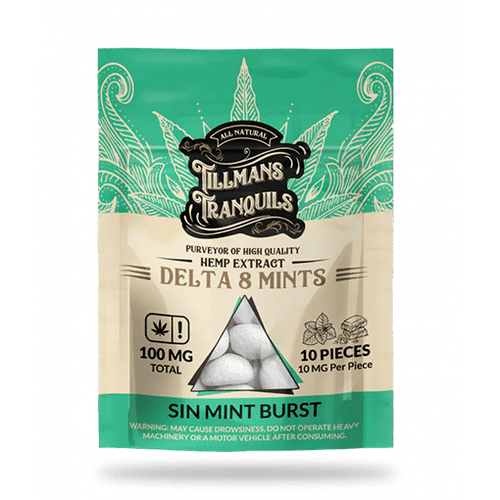
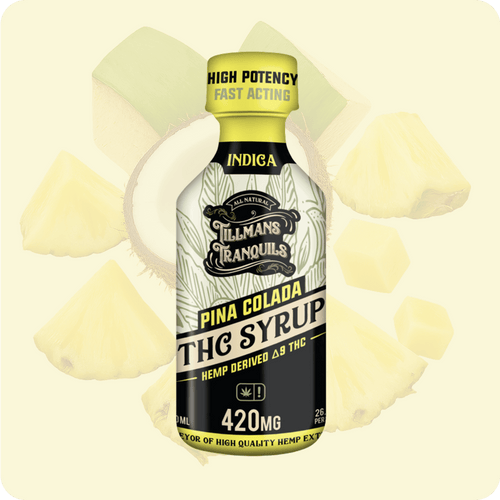
Hemp cannabinoid products now fill most of the shelf space that marijuana once held - a customer needs a step-by-step approach to find a reliable local supplier. Read each label completely and demand that the retailer show every detail of how the product was produced. Tillman’s Tranquils, plus other independently checked firms, post laboratory reports that the public can inspect - those papers confirm both the exact content and the absence of contaminants. Walk into a shop with care - when a package looks like a well-known brand but shows no clear Certificate of Analysis, set it back, but also buy only items that display an authenticated COA.
Why is there no Recreational Dispensary in North Carolina?
North Carolina law treats the possession of marijuana for personal use as a criminal offense - the state has licensed no retail outlets to supply it. Since no legal store opens its doors, every buyer has to gather safety information alone. The absence of a recreational market leaves space for products that come from hemp. Those goods appear on shelves without routine inspection, and some display strong claims that no laboratory has confirmed. A person who buys only from firms that release complete lab results reduces the chance of taking in a banned or contaminated substance.
Hemp Shops vs. Medical Cannabis in North Carolina Status
North Carolina applies two distinct sets of regulations to hemp retailers and to medical cannabis outlets. A store that sells hemp answers solely to federal and state hemp laws - one shop tests every product for purity, but the shop next door follows almost no safety rules. Inspect each label before you hand over money, check that the expiry date has not passed plus refuse any box or bottle that shows signs of tampering or counterfeiting. Ask the seller to show third-party laboratory reports that verify the product is safe to eat, drink, or inhale.
North Carolina THC FAQ: Rules, Possession, and Future Changes
Understanding Hemp Laws in NC
North Carolina law treats THC differently based on its source. The state bans marijuana used for recreation, but it allows and sells any product that contains THC if the THC comes from hemp. Choose products labeled as organic if you seek the highest quality.