THC in Georgia
The Legal Status of THC in Georgia: What You Need to Know
Georgia regulates cannabis through a set of rules that overlap and often puzzle both new arrivals plus people who have lived in the state for years. The state once treated every part of the plant as an offense, but newer statutes allow certain items to appear in shops and in pharmacies. Whether the law protects a person hinges on three points: where the material came from, the precise amount of THC it contains, and whether the user has a patient status. Only hemp that carries no more than zero point three percent delta-9 THC when measured by dry weight may be sold to the public. Any item that exceeds that limit or that derives from marijuana instead of hemp belongs to the medical program. A person who wants to enter that program must first secure a doctor's written approval and then receive a card from the state - without both documents, possession is still an offense. Even patients who meet the requirements must purchase from a licensed dispensary and must store the product in the sealed container that left the store. Visitors and recent residents should check the label for the THC value or should request a certificate of analysis from the seller before the package is opened.
Is Cannabis Legal in Georgia for Recreational Use?
Recreational marijuana remains completely against the law in Georgia. State law classifies the plant as a Schedule I controlled substance, a category it has held for many years. A few cities - including Atlanta, Savannah, and Clarkston - have passed local ordinances that lower the penalty for possessing less than one ounce to a non-criminal offense, which results only in a fine. Those local rules do not alter state law. Any individual who possesses, sells, or cultivates marijuana for non-medical use anywhere in Georgia still risks arrest, felony prosecution, and the full set of criminal penalties allowed under state law.
Is THC Legal in Georgia? Hemp-Derived vs. Marijuana Rules
Industrial hemp and marijuana both originate from the cannabis plant, but Georgia law treats each source of THC differently. The state legislature adopted the 2018 Farm Bill plus enacted the Hemp Farming Act, which removed industrial hemp and every naturally occurring compound within it from the controlled substance schedule. Stores that sell hemp operate legally on public streets. Chemists extract Delta-8, Delta-10, and Delta-9 THC from hemp that meets federal limits, but the law also allows the production, sale, and use of those molecules. When the same molecule is extracted from marijuana, state law labels it contraband and criminalizes possession.
Understanding Delta 9 THC Georgia: The 0.3% Rule
Delta 9 THC is legal in Georgia as long as its concentration does not exceed 0.3 percent of the product's dry weight. This specific limit defines the state's hemp law and influences how cannabis products are produced and sold. The regulation applies to the entire edible item - manufacturers legally incorporate a significant dose of Delta 9 THC into foods like gummies, cookies, or beverages. They increase the total mass of the product, which allows them to include a full, effective amount of plant-derived Delta 9 THC while keeping the overall concentration within the 0.3 percent threshold. "dry weight rule" enables Georgia residents to experience the same noticeable, enhanced effects associated with traditional Delta 9 THC while remaining compliant with state law.
THC Gummies Georgia: New Limits and Regulations
Georgia changed the regulations for goods that come from hemp. Under Senate Bill 494, each product must stay below a fixed level of any cannabinoid that activates CB1 receptors in the brain and spinal cord. Delta-9 THC attaches to those receptors plus changes the way nerve cells relay messages. The law now enforces a hard upper limit on Delta-9 THC - only a small portion of the compound enters the bloodstream and arrives at the brain.
Are THC Gummies Legal in Georgia? (The 10mg Serving Limit)
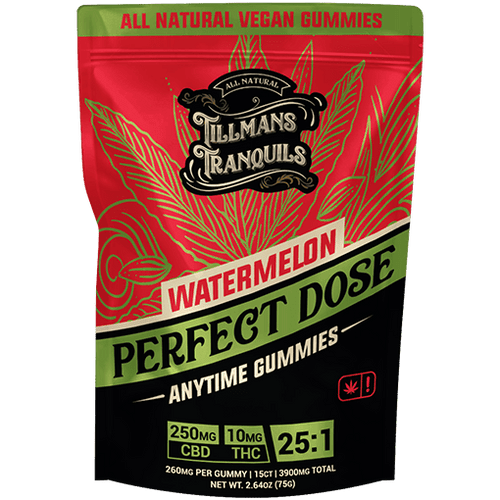
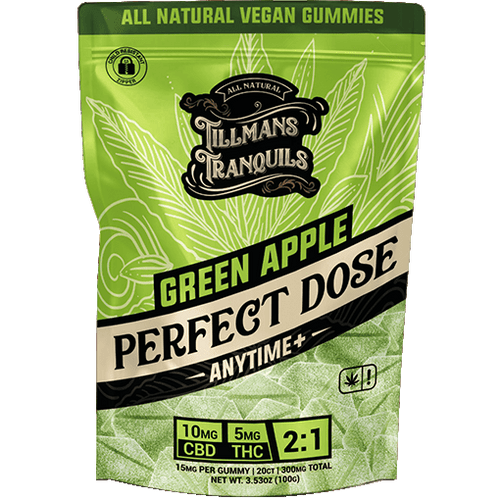
THC gummies remain legal in Georgia only when each piece contains 10 milligrams of THC or less. The state applies this limit without exception. Once a person swallows a gummy, the liver converts THC into 11-hydroxy-THC, a metabolite that crosses into the brain more easily than THC. The 10 milligram limit prevents CB1 receptors from overstimulation and stops the endocannabinoid system from overactivation. Controlled trials indicate that those small amounts allow the body to maintain balance and protect the nervous system from overload. Detailed data on cannabinoid metabolism plus receptor affinity are available at NCBI/NIH.
Are Delta 9 Gummies Legal in Georgia under SB 494?
Delta-9 THC gummies are lawful under SB 494 when the THC originates in hemp and when the product satisfies two thresholds - the dry weight threshold and the per serving threshold. The Delta-9 THC molecule extracted from hemp is identical to the Delta-9 THC molecule extracted from marijuana. Delta-9 THC functions as a partial agonist at CB1 and CB2 receptors. Within the brain, the molecule attaches to those receptors plus alters the activity of the enzyme adenylate cyclase inside the cell. This alteration regulates the quantity of the inhibitory transmitter GABA and the excitatory transmitter glutamate that the neuron releases. SB 494 mandates that every edible contains only a measured, low quantity of Delta-9 THC. The regulation confines the biphasic action of THC to a range that remains within safe therapeutic boundaries.
How to Find Compliant Georgia THC Gummies
You search for gummies that the state permits - you study independent Certificates of Analysis. Each certificate presents the outcome of high-performance liquid chromatography. This test records every cannabinoid found in the gelatin or pectin piece. The paper gives the precise mass and the precise quantity of Delta-9 THC. Those figures must equal the legal limit fixed by Georgia. When they do, the user gets a dose that repeats. The test also discloses how the cannabinoid acts after you swallow it, because lipids and enzymes alter how much of the molecule enters the bloodstream. The laboratory must first verify that the declared content sits under the statutory threshold - only then does the product qualify for sale.
THC Drinks and Beverages in the Peach State
|
Beverage Type |
Legality in Georgia |
Typical Effects |
|
Hemp-Derived Delta-9 THC |
Legal (Must be < 0.3% THC by dry weight) |
Moderate to Strong (Psychoactive, similar to traditional cannabis) |
|
Delta-8 THC |
Legal (Permitted under current state hemp guidelines) |
Mild to Moderate (Relaxing, slightly less psychoactive than D9) |
|
CBD Broad/Full Spectrum |
Fully Legal |
Subtle (Non-intoxicating, calming body relief) |
A person who tastes a THC drink for the first time should measure one-quarter to one-half of the bottle and consume only that amount. After the swallow, the person must wait at least forty-five minutes and no more than sixty minutes. When that period ends, the person should evaluate the bodily response before another sip.
Are THC Drinks Legal in Georgia?
Hemp drinks that contain Delta-9 THC are allowed for sale in Georgia if the beverage meets the limits set in state and federal law. The 2018 Farm Bill permits the sale and use of hemp products that hold no more than 0.3 percent Delta-9 THC when measured by dry weight. Because a drink has a large liquid mass, a producer adds a high total quantity of hemp-derived THC to a single bottle or can but stays under the legal cap.
Where to Find Legal THC Beverages in Georgia
Residents and visitors in Georgia find hemp-based drinks in multiple types of stores. Shops that sell only CBD, reliable smoke shops, plus health food outlets in Atlanta, Athens, and Savannah display the beverages on shelves. The drinks meet federal hemp limits - major national brands ship THC seltzers, sodas, and teas to every Georgia address without legal risk.
THC Drinks Legal in Georgia: Age and Labeling Requirements
Every shop in Georgia will not hand over any beverage that contains mind-altering cannabinoids like Delta-9 or Delta-8 THC to anyone who has not reached twenty-one years. Beyond the age limit, the state puts safety and clarity at the top. A legal drink must bear a label that states each cannabinoid inside, each component, plus the exact name and street address of the manufacturer. The same package needs a QR code that a phone can read - once scanned, the code opens an external lab document titled Certificate of Analysis. That document confirms the drink holds no more than 0.3 percent THC by weight but also verifies the absence of heavy metals and pesticide traces.
Finding a Licensed Georgia Dispensary
Put safety first - ask for a test report from a laboratory that has no link to the seller. Study the report before you buy or use the product.
Start - looking for a Georgia dispensary - check that each product is safe, that quality checks are in place, and that the store follows every state rule. Some outlets have a state medical license - others operate as private stores. Verify that the store has a valid permit and that it follows clear safety steps so that no product reaches you if it is tainted, illegal or dangerous.
What to Expect at a Georgia Dispensary (Low-THC vs. Hemp)
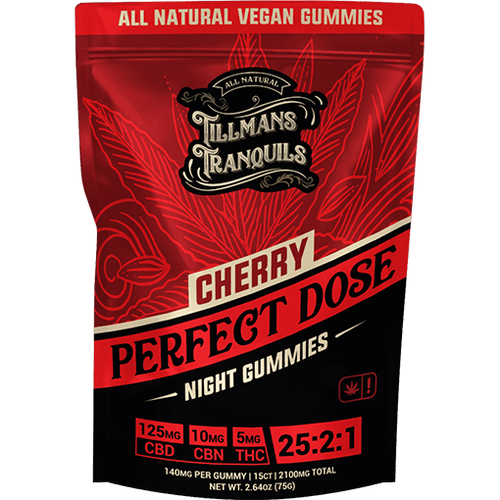
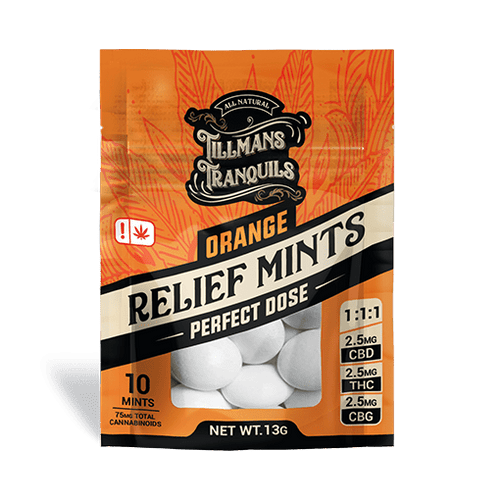
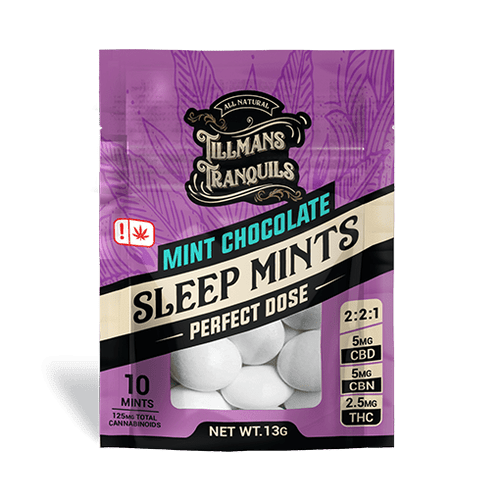
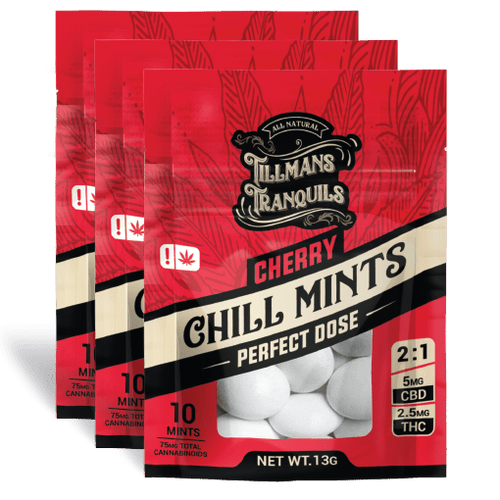
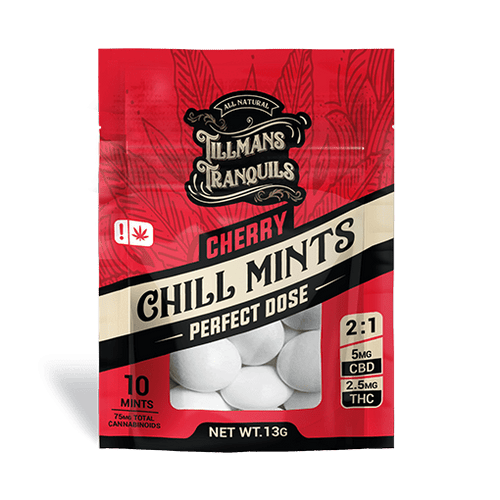
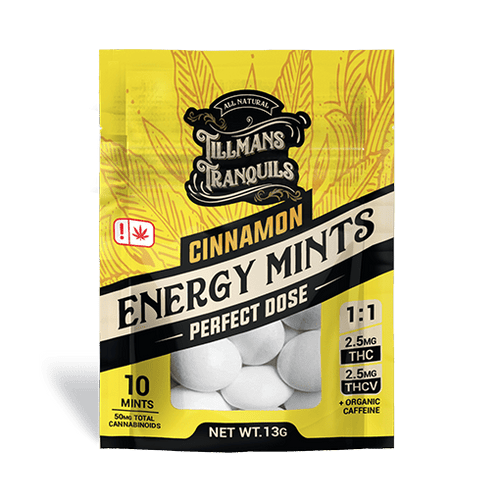
A person who plans to use cannabis in this region must learn that medical Low-THC oil is not the same as goods that come from hemp. The state licenses Low-THC dispensaries. Each batch they sell is tested for pesticides, heavy metals, and leftover solvents, and every batch must stay inside strict limits. Stores that offer products made from hemp do not obey those same rules - the safety checks they perform are few. Fake goods show up in the supply chain that lacks regulation. Examine every label with care, plus request a complete laboratory report from an outside laboratory that proves purity, even for a familiar brand like Tillman’s Tranquils.
How to Find a Trusted Dispensary in Georgia Near Me
Reduce health and legal risks when you shop nearby - work through the full safety checklist. Examine each dispensary before you pay.
- Verify State Licensing: Ensure the facility is officially registered with the Georgia Access to Medical Cannabis Commission if you are seeking Low-THC oil.
- Demand Transparent COAs: A trustworthy dispensary will readily provide up-to-date, third-party Certificates of Analysis (COAs) for their entire inventory.
- Inspect Product Packaging: Check labels carefully for batch numbers, clear expiration dates, ingredient lists, and scannable QR codes linking directly to safety data.
- Evaluate Staff Knowledge: Professional budtenders should be able to clearly explain the origin, cannabinoid profile, and safety testing of their products.
Do You Need a Medical Card for a Dispensary in Georgia?
State law limits the sale of low-THC oil - in Georgia, a pharmacy that holds a state license sells this oil only to people who carry a valid Low THC Oil Registry Card. If you enter the pharmacy without that card, you break the law and face penalties. Hemp-based items that meet the federal THC limit are sold without a card. Tillman’s Tranquils sells such items in stores plus online. No doctor approves those products. Read the label and confirm third-party test results before you pay.
Georgia THC FAQ: Possession, Penalties, and 2026 Updates
Final Summary on Georgia THC Laws
Choose organic goods for the best results. Georgia law splits hemp from marijuana, and that line decides whether THC is lawful. Review county plus state rules regularly, keep your supply within the legal limit, and purchase only from vendors who follow every rule but also who stock tested, top-grade products.