THC in Kansas
Understanding THC in Kansas: What is Currently Legal?
Drivers who travel across the wide, level fields of Kansas enter a state that produces large amounts of wheat but maintains laws that follow older standards. Residents and visitors must learn two different sets of regulations - one for hemp plus one for marijuana. Discussions about cannabis shift across the country each year, but Kansas legislators continue to enforce the same strict laws. This document presents every current statute so that individuals understand which actions police permit and which result in arrest.
Is Cannabis Legal in Kansas for Recreational or Medical Use?
Kansas law forbids all traditional forms of cannabis - the state prohibits recreational use and also refuses to allow medical use. Although many nearby states have changed their cannabis laws, Kansas maintains a total ban. A person who possesses even a small amount of marijuana commits a misdemeanor. A court can order a heavy fine and a jail term. People who are ill plus seek plant-based relief cannot purchase marijuana. They must use products derived from hemp that comply with federal THC limits, because Kansas has no medical dispensaries.
Is THC Legal in Kansas? The "Total THC" 0.3% Rule Explained
Some forms of THC remain legal only if they originate from industrial hemp and the plant contains no more than 0.3 percent Delta-9 THC by dry weight. After Congress approved the 2018 Farm Bill, Kansas revised its agricultural statutes to align with the federal hemp definition. State statute Kansas state law shields hemp products when their Delta-9 THC concentration is 0.3 percent or lower. The "Total THC" rule compels growers plus processors to test each crop and every extract batch so the psychoactive component never exceeds that threshold. When test reports confirm compliance, Kansas residents purchase CBD oils, but also other hemp items, without violating state law.
Is Delta 9 THC Legal in Kansas? Hemp vs. Marijuana
Delta-9-THC is legal in Kansas only when extracted from industrial hemp. Delta-9-THC from marijuana remains fully prohibited. The legal distinction does not depend on plant biology - both crops are Cannabis sativa. The law focuses on the precise concentration of Delta-9-THC in each sample. State law classifies marijuana as a tightly controlled substance. Hemp processors must keep Delta-9-THC at or below 0.3 percent of the dry weight to meet the statute. An edible gummy or a bottled drink contains a significant mass. The processor adds enough hemp-derived Delta-9-THC to create noticeable psychoactive effects, but the finished product still falls under the legal limit when the dry weight calculation is performed.
Are THC Gummies Legal in Kansas?
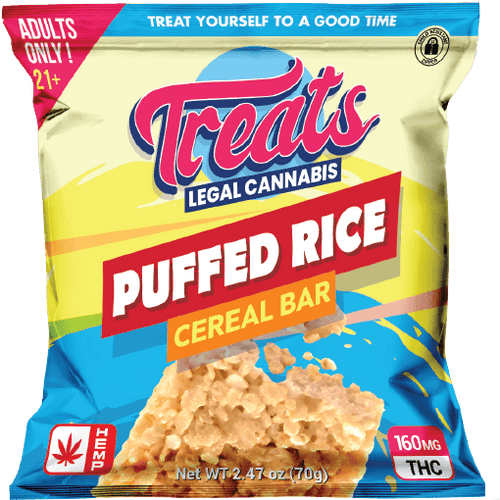
Authorities permit the substance when the plant source is hemp and when the Delta-9 THC content does not exceed 0.3 % of the dry weight. The human endocannabinoid system processes THC from hemp and THC from marijuana as one identical molecule. Once a person swallows or absorbs Delta-9 THC, the compound acts as a partial agonist at CB1 receptors located in the brain and central nervous system. Legislation distinguishes hemp from marijuana by the 0.3 % threshold, but the molecule remains unchanged - it still passes through the blood-brain barrier plus still modifies presynaptic neurotransmitter release by the same sequence of pharmacological actions.
THC Gummies Kansas: Why Total THC (THCA + Delta-9) Matters
Total THC refers to the amount of Delta-9 THC that forms after the non-psychoactive compound THCA converts into the active form. In fresh hemp, cannabinoids begin as acidic versions, like tetrahydrocannabinolic acid. A carboxyl group attached to THCA gives the molecule a structure that prevents it from binding to CB1 receptors in the brain and nervous system of mammals. Heat or extended storage initiates decarboxylation, a process that removes the carboxyl group plus converts the precursor into Delta-9 THC. Regulatory agencies measure Total THC because this conversion determines how strongly the compound binds to receptors and the extent of its psychotropic effects. Scientific studies on cannabinoid synthesis, but also receptor binding, support this approach.
Are Delta 9 Gummies Legal in Kansas?
Delta-9 gummies are legal in Kansas when the active cannabinoid is extracted from industrial hemp, and the total Delta-9 THC content does not exceed the federal limit set for each gram of product. Once a person swallows a Delta-9 gummy, the compound does not enter the bloodstream right away. It moves through the stomach and intestines, then reaches the liver. Liver enzymes that belong to the cytochrome P450 family - primarily CYP2C9 and CYP3A4 - change the fat-soluble Delta-9 THC into 11-hydroxy-THC. This new molecule attaches firmly to CB1 receptors - the noticeable results persist for a longer period plus often feel more intense than the effects produced by inhaling Delta-9 THC. Kansas and federal law control only the origin of the plant and the concentration per unit weight - the sequence of cellular events that occurs after a person eats the gummy does not differ from the sequence triggered by any other form of Delta-9 THC.
Where to Buy THC Gummies in Kansas Safely
Choose a supplier that shows a full certificate from an outside laboratory. The document must come from tests run with high-performance liquid chromatography and mass spectrometry. If you swallow candy that lacks such data, you risk exposure to crude extract residues. Those residues often contain heavy metals, pesticides, or leftover solvents. Each of those foreign compounds upsets cell chemistry and harms receptor sites. The independent report names every compound detected in the candy, plus states the exact cannabinoid percentages printed on the package. The declared values let the active compounds meet the endocannabinoid system under safe and measured conditions. A verified chromatogram also confirms that no neurotoxic pollutant will disrupt the enzyme reactions or receptor shifts that occur after you eat the gummy.
THC Drinks and Seltzers in the Sunflower State
|
Beverage Category |
Typical Hemp-Derived THC Dosage |
Ideal Consumer Profile |
Average Onset Time |
|
Micro-Dose Seltzers |
2mg - 5mg per can |
First-time users, casual social drinkers |
15 - 30 minutes |
|
Standard Craft Sodas |
5mg - 10mg per can |
Those seeking a direct alcohol alternative |
20 - 45 minutes |
|
High-Potency Elixirs |
10mg+ per can |
Experienced consumers with higher tolerances |
30 - 60 minutes |
Are THC Drinks Legal in Kansas? (2026 Regulation Update)
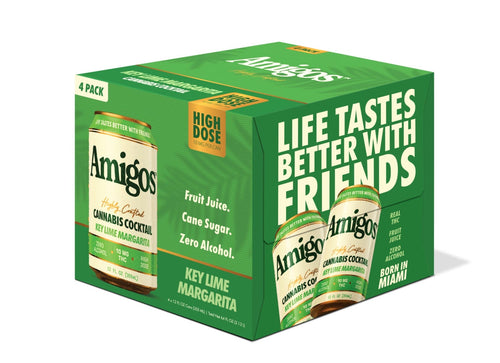
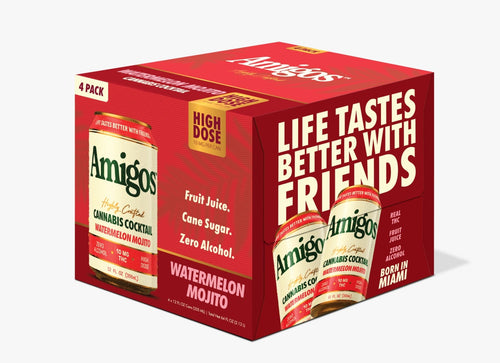
Kansas law lets retailers stock and sell hemp-based drinks that carry Delta-9-tetrahydrocannabinol, but every gram of the dry drink must stay below 0.3 percent THC. This ceiling matches the federal Farm Bill. The state revises its stance often - anyone who trades those beverages must reread the rules again and again. A fresh rule package arrives in 2026. It will cap the THC dose in a single serving, oblige stores to follow stricter sales limits plus demand that each batch be cleared by an outside lab before it reaches shelves. The purpose is to keep untested or synthetic products away from consumers.
Finding THC Seltzer Kansas: What to Look for on the Label
|
Label Element |
Mark of High Quality |
Red Flag to Avoid |
|
Certificate of Analysis (COA) |
Scannable QR code linking to full-panel lab results |
No QR code, broken links, or in-house testing only |
|
Cannabinoid Sourcing |
Explicitly states "Hemp-Derived Delta-9 THC" |
Vague phrasing like "Cannabis Extract" or "Proprietary Blend" |
|
Dosage Instructions |
Exact milligrams per serving and total per container |
Total liquid volume only with no clear cannabinoid breakdown |
Why THC in Kansas Drinks is Restricted to Adults 21+
A beginner should swallow only a small amount at first, then allow multiple hours to pass before any further swallowing. The initial portion must equal one-half of a single can - the individual has a clear way to assess personal tolerance.
Kansas law restricts the sale of those items to persons who have reached the age of twenty-one. The state enforces this limit in every case so that younger, still-developing brains receive protection and so that the policy aligns with the rules that govern alcoholic beverages. Liquid edibles use nanoemulsion technology - this method moves THC into the bloodstream faster than a traditional gummy does. The reaction begins earlier plus proceeds on a steadier schedule. An adult who decides to swallow the beverage must wait and must let a full forty-five to sixty minutes pass before a second dose. This pause supports a safe but also comfortable session.
Navigating the Kansas Dispensary Landscape
Before you purchase any cannabis product in Kansas, first study the exact rules the state has published and identify which products the statute explicitly authorises. Kansas enforces strict limits on cannabis - every shopper must determine which forms the law permits plus which it forbids. Inspect each label and review every laboratory test report - reject any container that does not display verifiable proof of origin.
Is There a Real Kansas Dispensary? Hemp Shops vs. Marijuana
The state has no licensed marijuana stores - instead, retailers sell cannabinoids that are derived from hemp and that comply with federal hemp regulations. Those outlets do not operate under the same restrictions as pharmacies or cannabis dispensaries. A buyer must personally verify each product. Review the third-party laboratory report before purchase. This report indicates whether the product contains synthetic chemicals and whether the labeled potency is accurate.
Closest Dispensary to Kansas: Where Residents Go for Legal Weed
Many residents travel by car to adjacent states like Missouri or Colorado to purchase cannabis at state-approved dispensaries. Each product sold in those stores undergoes rigorous laboratory testing. Federal law nevertheless treats the movement of marijuana across state lines as an offense. Study the relevant legal risks, master the precise transport regulations, and avoid exposing yourself to prosecution.
Kansas THC FAQ: Penalties, Drug Tests
Understanding Your Local THC Options
Kansas permits only the type of hemp that the federal farm bill describes. That plant must contain a maximum of 0.3 percent delta-9-THC when measured by dry weight. Once a product exceeds that level, the state classifies it as marijuana, and most residents cannot possess it. Remain within the law - choosing goods that include laboratory reports which confirm compliance with the farm bill. Pick goods that hold organic certification if you seek the least contaminated version of this hemp.