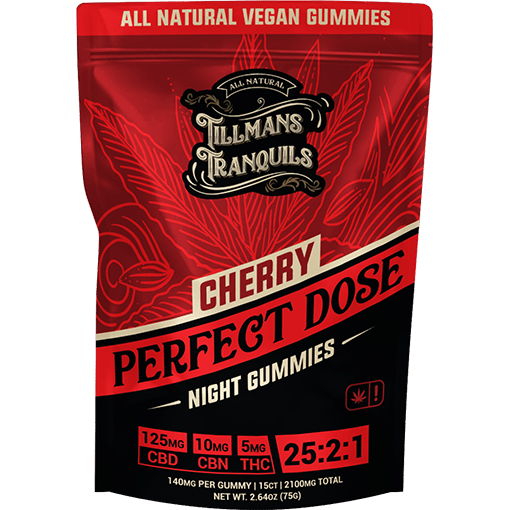
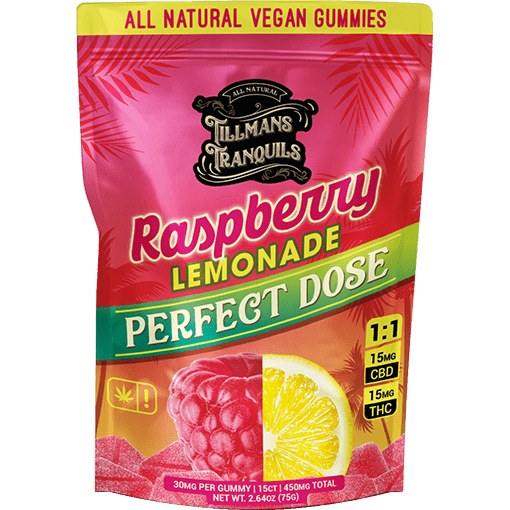
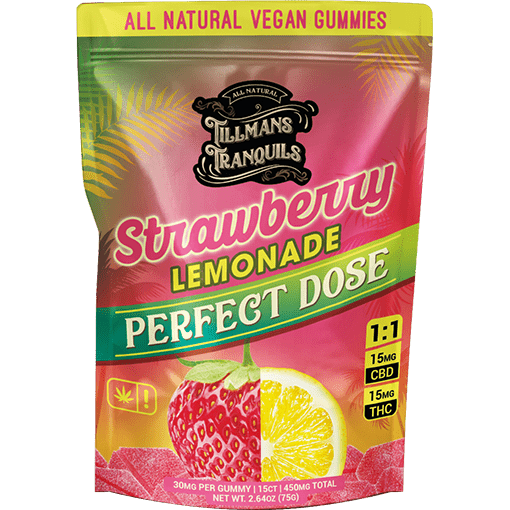
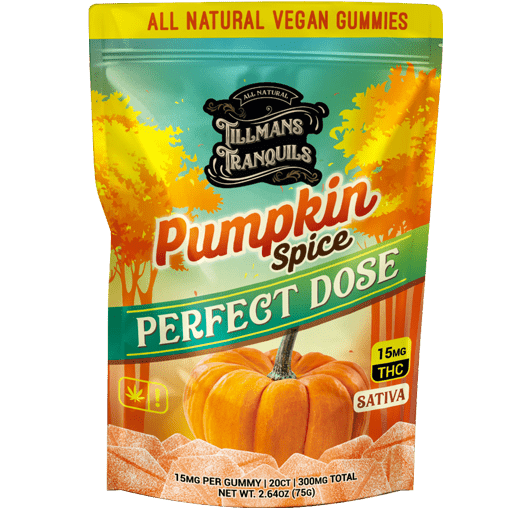
D9 Gummies Explained: What “Delta-9” Means
Delta-9 denotes the exact chemical shape that latches onto the body's receptors. In cannabis science, "Delta-9" abbreviates Delta-9-tetrahydrocannabinol. The "Delta-9" segment of the name shows where a double bond sits on the ninth carbon atom of the molecule's chain. This precise molecular shape acts like a key that enters the CB1 receptors of the human endocannabinoid system, found mainly in the brain and central nervous system. When people refer to the "classic" psychoactive high linked to marijuana - euphoria, relaxation, and changed senses - they describe the results of this specific Delta-9 bond contact.
Are Delta-9 THC Gummies Legal? (U.S. Overview)
The legal status of cannabis infused food depends on the plant source and the dry weight of the product. Federal law splits "hemp" from "marijuana" - measuring the exact amount of delta-9-THC. The Agriculture Improvement Act of 2018, called the Farm Bill, set this rule and allowed nationwide sale of hemp-based items. A pack of gummies that is lawful in one state can become illegal in the next, because each state is free to impose rules that are tougher than the federal limit.
Hemp-Derived Delta-9 Gummies vs. Marijuana-Derived THC Gummies
The Delta-9 THC molecule is the same whether it comes from hemp or marijuana. A chemist cannot tell the two apart. The law treats them differently. If the THC originates from marijuana, the gummies are legal only in states that allow adult use or medical cannabis, and they must be sold in licensed dispensaries. If the THC originates from hemp, the gummies fall under the federal hemp rule - the plant material must contain less than 0.3 % Delta-9 THC by dry weight. Because gummies weigh a lot because of sugar and gelatin, a 10 mg THC piece stays below the 0.3 % limit on paper - it remains federally legal.
Why “THC Gummies Legal” Depends on State Rules and Testing
The last word on legality comes from state statutes and from a third-party laboratory test. A product can satisfy federal hemp rules, but the wording "THC gummies legal" does not apply everywhere. A number of states have closed the "dry weight loophole" - outlawing named isomers or setting upper limits for "total THC" instead of looking only at Delta-9 content. As a result, a gummy that is allowed in Texas is banned in Idaho. A Certificate of Analysis is the sole document that shows the product stays within the legal threshold. That lab report confirms that the gummy holds the cannabinoids listed on the label and that it respects the tight percentage ceilings fixed by law - it functions as proof that the product is legitimate.