CBD in New Jersey
Is CBD Legal in New Jersey? State Regulations Explained
New Jersey law permits the sale and use of CBD that is derived from hemp plus that contains no more than 0.3 percent THC when measured by dry weight. After the United States removed hemp from the federal list of controlled substances, New Jersey promptly established regulations that allow stores to sell and consumers to use hemp-based cannabinoid products. A person who walks along the Atlantic City boardwalk or travels through Newark may purchase, carry, and use those products without violating state law. The regulations mandate tests that verify THC levels and confirm that the product is sourced from hemp - consumers receive products that comply with safety standards. Stores throughout the state now offer oils, capsules, topicals, as well as edibles that adhere to this limit, and the expansion of this market provides residents with access to cannabinoids while the law shields them from legal consequences.
CBD New Jersey Statutes: Hemp-Derived Products and the Law
New Jersey law now treats hemp-derived CBD as fully legal because the New Jersey Hemp Farming Act copied the federal rules. Before that law, nobody knew whether a crop counted as lawful hemp or as illegal marijuana - farmers, shop owners, and shoppers held back. The present rules tell growers, processors, and sellers exactly what to do. A plant that holds 0.3 percent Delta-9 THC or less is labelled industrial hemp plus the law keeps that plant separate from marijuana, which stays on the controlled substance list. This clear rule lets New Jersey farmers sow CBD-rich hemp, and it orders every maker to test each batch, label every package, and meet safety limits. I report on cannabis full-time, and I have watched those rules block dirty or mislabeled goods from shelves while a new, open market for plant-based wellness takes shape across the state.
Is CBD Legal in New Jersey for Topical and Oral Use?
New Jersey allows any resident to buy and use topical or oral CBD products as long as each item complies with the state's hemp rules. The law gives people freedom to add this cannabinoid to their daily health habits in whatever way suits them. A runner who finishes a loop through Liberty State Park plus wants to rub a CBD balm on tired muscles may do so without restriction - creams, lotions, and similar topicals sit on open shelves in pharmacies, spas, and wellness stores. Edible or liquid forms like gummies, tinctures, and softgel capsules are equally legal and sit beside the topicals in the same shops. The federal Food and Drug Administration still works on nationwide rules for CBD as a dietary additive, but New Jersey chose a direct retail policy that lets a shopper add CBD oil to coffee or eat a CBD gummy after work without legal risk.
Requirements for Legal CBD Products in New Jersey
Legal CBD products in New Jersey must contain less than 0.3 percent Delta-9-tetrahydrocannabinol (THC) when the plant material is fully dried, and the source must be industrial hemp. This limit is enforced because human cannabinoid receptors react strongly to THC. When the concentration stays under 0.3 percent, the molecule is too weak to attach to CB1 receptors in the brain plus spinal cord - no intoxication occurs, and neurons do not fire in excess. The high level of CBD in the product reaches the same CB1 site but also alters the receptor shape, which reduces the impact of the body's own endocannabinoids but leaves clear thinking intact. State-approved items are shipped to certified laboratories that determine the precise CBD-to-THC ratio and test for heavy metals as well as pesticide residues - any detectable amount of those toxins leads to rejection, because they disrupt normal cell chemistry.
CBD Gummies New Jersey: Finding Quality and Safety
New Jersey residents who seek safe CBD gummies must select only those items that ship with a current Certificate of Analysis. The paper must display a verified extraction history and a phytochemical roster that agrees with the package text. After a gummy is swallowed, its cannabinoids move through the stomach and arrive at the liver. Liver enzymes from the cytochrome P450 family break down the CBD molecule plus convert it into 7-OH-CBD and additional primary metabolites. Those metabolites enter the bloodstream only after the first-pass process. The intestinal barrier stops a large part of the original dose; final bioavailability remains low. Because of this loss, the manufacturer must supply a product that contains the exact labelled amount of active material - any production flaw further reduces the small fraction that reaches circulation. Supercritical CO₂ extraction satisfies this requirement - the technique employs pressurized carbon dioxide to withdraw cannabinoids and terpenes from hemp while it leaves no toxic solvent traces. Remaining solvents would damage cells through oxidative chemistry - their removal shields the consumer. A report posted at Clinical Reviews on cannabinoid pharmacokinetics published by the NIH notes that when the extract preserves the full native array of molecules, the entourage effect occurs. The combined compounds bind to peripheral CB2 receptors but also to TRP cation channels. Their joint interaction suppresses activity across systemic neuroinflammatory routes.
Are CBD Gummies Legal in New Jersey?
CBD gummies are legal in New Jersey when they derive from industrial hemp and contain under 0.3 percent THC. This regulation depends on distinct molecular shapes plus distinct cell actions. Delta-9 THC aligns precisely with CB1 receptors inside the basal ganglia and limbic system - it serves as a potent partial agonist but also shifts mood. The cannabidiol molecule shows no such alignment and does not activate those routes. Hemp edibles that stay below the THC cap, therefore, fail to trigger the dopamine surge tied to intoxication. Once the digestive tract absorbs the compound, and the liver finishes its work, CBD travels to other locations and inhibits the enzyme fatty acid amide hydrolase. This inhibition slows the breakdown of anandamide, the body's native cannabinoid. A larger anandamide pool remains in circulation, or this helps maintain calm while staying under the legal intoxication limit.
How to Choose the Best CBD Gummies in New Jersey for Wellness
|
CBD Extract Type |
Ideal Consumer Profile |
THC Presence |
|
Full Spectrum |
Those seeking the "entourage effect" for maximum wellness benefits |
Trace amounts (Legally compliant under 0.3%) |
|
Broad Spectrum |
Users wanting varied hemp cannabinoids without the risks of THC |
Undetectable / Zero THC |
|
CBD Isolate |
Individuals needing pure, targeted CBD doses for daily regimens |
Undetectable / Zero THC |
CBD Balm New Jersey: Benefits for Recovery and Skin
Begin with a product that holds only a small amount of the active ingredient. Squeeze out a circle of lotion no wider than a dime, place it on the painful skin, then pause and observe the reaction before you apply another dose.
When you rub a CBD balm onto the skin, the active compound remains in the outer layers and does not enter the bloodstream. For muscle recovery plus to soften the skin, first ensure the area is clean and dry. Then massage the balm into the skin until no visible layer remains.
Where to Buy CBD in New Jersey Safely
|
Purchasing Venue |
Key Advantages |
Things to Watch Out For |
|
State-Licensed Dispensaries |
Strictly regulated by NJ authorities, rigorously lab-tested, knowledgeable staff |
Often higher retail prices and potential wait times in store |
|
Local Wellness & Vitamin Shops |
Convenient neighborhood locations, no shipping required |
Quality varies greatly; you must manually ask to see Certificates of Analysis (COAs) |
|
Reputable Online Brands |
Widest product variety, competitive pricing, easy access to third-party lab reports |
Shipping delays and the inability to inspect the physical product before buying |
Buying CBD at a New Jersey Dispensary vs. Health Shops
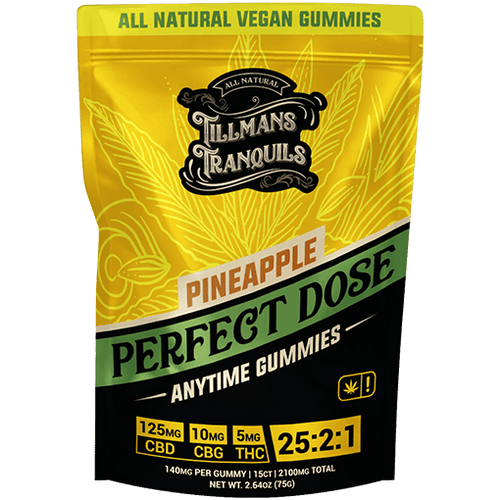
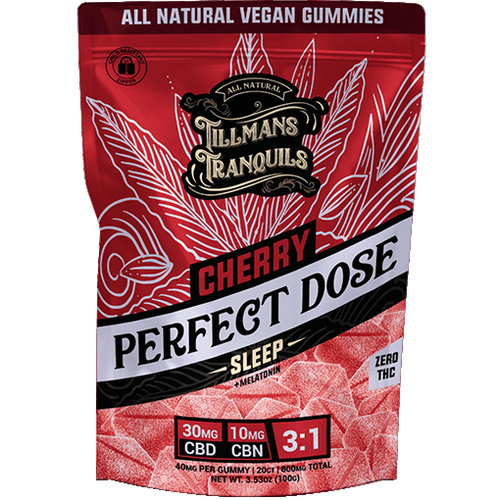
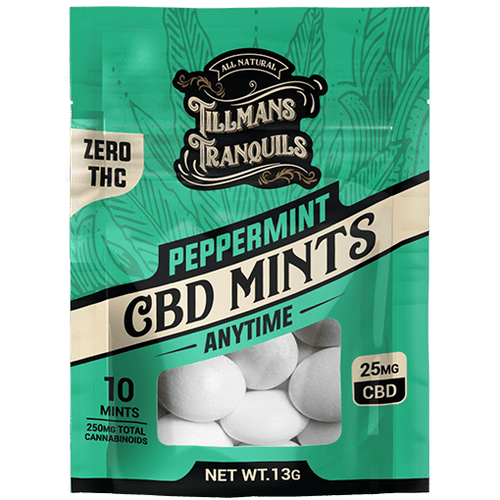
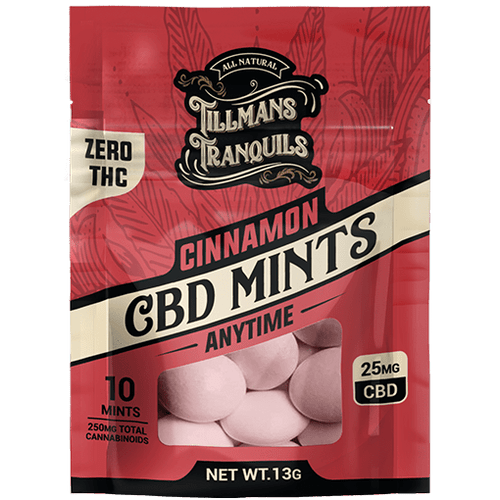
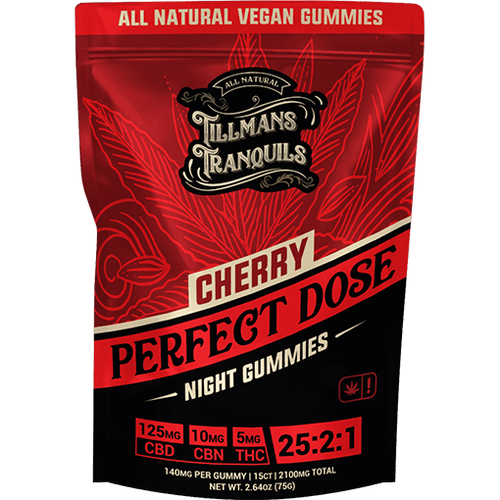
In New Jersey, hemp items reach buyers through two distinct routes. The first route is the network of cannabis retailers that hold a state licence. The second route covers wellness stores, corner shops, and small convenience outlets. This second route is extensive and receives only light oversight - the shopper must check each item with care. Beyond the walls of licensed dispensaries, shelves often carry fake packages plus brands that never registered with the state. Examine the entire label before you pay. The label has to name every ingredient, declare the precise dose, and also provide a telephone number or street address for the producer. Certain shoppers place online orders for top-tier goods from Tillman’s Tranquils, while others walk into a neighbourhood holistic store. Whichever path you take, select the item that displays full information, even if its price sits above that of the lowest cost choice.
How to Read Lab Results (COA) for New Jersey CBD
Place safety first - before you use any product, check that an independent laboratory has tested it and released the results.
A Certificate of Analysis acts as the main proof that a CBD product is safe. When you scan the QR code on the package, the document must show the same batch number that the label carries. Begin - checking the potency section to verify that the declared CBD, besides THC values, are accurate and stay within legal limits. Review the contaminant panels. A trustworthy report will include a "PASS" for heavy metals, dangerous pesticides, residual solvents, and mycotoxins. Study how to interpret those papers - if a company does not provide full plus recent data, select another brand.
Frequently Asked Questions About CBD and Hemp in New Jersey
Understanding New Jersey CBD Laws
Select organic hemp items when you want the best quality. In New Jersey, any adult can purchase hemp-derived CBD that holds 0.3 percent THC or less. You do not need a doctor's note, a medical card, or a permit. The product rests on regular store shelves. You can place it in your daily wellness routine without extra forms.