CBD for Pain
-
Sale4.3 / 5.0
(32) 32 total reviews
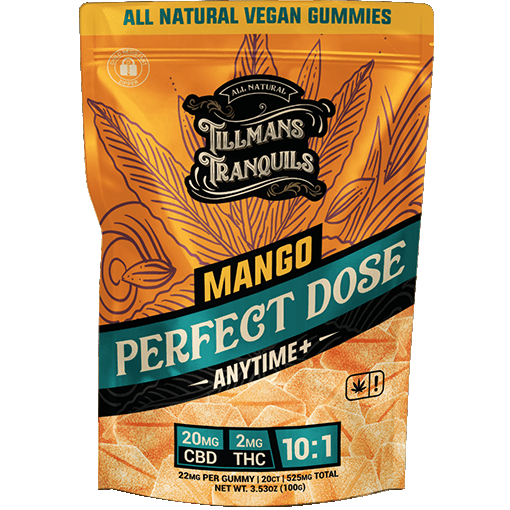
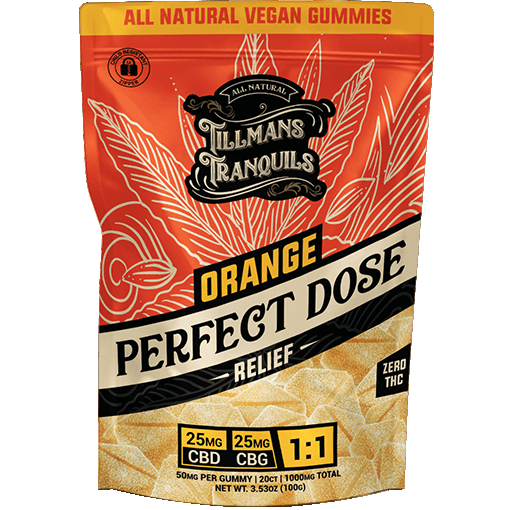
Relief CBD Gummies
Regular price From $29.99 USDRegular priceUnit price / per$59.98 USDSale price From $29.99 USDSale -
4.5 / 5.0
(23) 23 total reviews
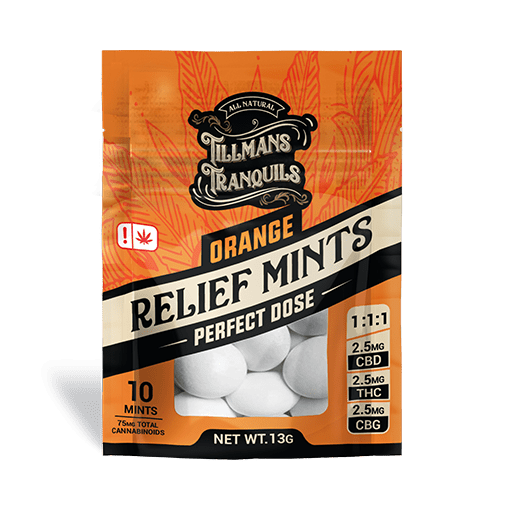
Orange Relief THC Mints - 15mg CBD + 15mg CBG + 2.5mg THC
Regular price From $12.99 USDRegular priceUnit price / perSale price From $12.99 USD -
4.6 / 5.0
(33) 33 total reviews
Relax Gummies
Regular price From $29.99 USDRegular priceUnit price / perSale price From $29.99 USD -
4.3 / 5.0
(30) 30 total reviews
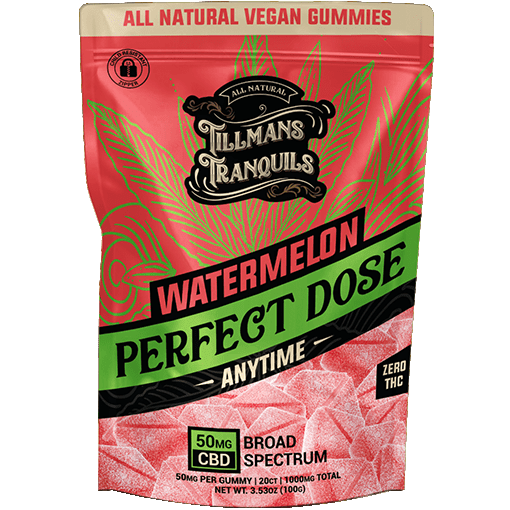
50mg Broad Spectrum Gummies
Regular price From $29.99 USDRegular priceUnit price / perSale price From $29.99 USD -
I love these mints!....
I usually take one before bed at night to chill – helps me relax!
NON
GMO
GLUTEN
FREE
NO HIGH FRUCTOSE CORN SYRUP
CBD for Pain - Why More Buyers Are Turning to Hemp-Derived Products for Relief in 2026
In many instances, the physical sensation begins without a distinct signal as it is a persistent discomfort in the lower lumbar region. There is a knee that produces audible snapping and low frequency sounds when an individual moves on foot, which is a consequence of a prior trauma from physical exercise. And it is probable that the enlargement of the tissue in the joints produces an elevated temperature and discomfort that makes simple tasks hard to finish. For many millions of individuals in the United States, this routine of managing physical discomfort is a frequent event. They have visited the aisles of pharmacies and have applied standard medical interventions but they persist in seeking a method to decrease pain that persists for a long duration. Because of this pursuit, a significant transition is occurring as individuals select organic plants rather than artificial substances that scientists manufacture in laboratories. By the year 2026 the manner in which people discuss health is different. So hemp derived cannabinoids, particularly CBD, are now a central component of the conversation about how individuals control physical pain.
In this situation, the trend is not a brief change in popularity because people are changing how they manage their health in a fundamental way. It is a fact that consumers have more information and act with caution when they select products. As their interest in options that come from plants is at the highest measured level, they do not view CBD as a supernatural cure - but they use it as a tool that performs a function and interacts with the biological processes of the body. There is a state of confidence that increases because people share reports of results that are helpful to others. At the same time scientists conduct more studies in early stages and national laws changed the status of hemp from illegal to regulated. For those reasons, the market grows at a high rate of speed. Due to the factors, individuals select goods that come from hemp when they want to treat physical pain that occurs after exercise or physical sensations that continue for a long duration and make daily life difficult.
Is CBD Good for Pain and What Does the Research Actually Show?
To decide if CBD works for pain, it is necessary that people study how the human body functions. There is a complex network in the body which researchers call the endocannabinoid system (ECS). It is correct to say that the ECS is a system which regulates and maintains biological balance or homeostasis. Because of this role, the system is responsible for how the body manages mood, appetite, sleep and the perception of pain. In this system there are chemical messengers which are endocannabinoids and receivers which are CB1 & CB2 receptors. When pain or inflammation is present, the ECS acts to lower those physical reactions. If a person uses CBD, the substance is not something that binds to the receptors in the same way that THC binds to them. It is a compound that helps the body use its own endocannabinoids in a more effective manner. And it is active with other receptors that are responsible for signals which relate to pain and inflammation.
CBD vs THC for Pain - How to Decide Which Approach Makes More Sense for You
When people use cannabis to treat symptoms, they need to know about two compounds which are CBD (cannabidiol) & THC (tetrahydrocannabinol). As those substances belong to the same plant family, they act in different ways inside the body. It is common knowledge that THC produces the psychoactive "high" that people relate to marijuana. For this reaction to happen, the compound attaches to CB1 receptors in the brain. By attaching to the receptors, it alters the way a person feels pain and creates a state where the person is intoxicated. In contrast CBD does not make a person intoxicated. It operates in a way that is less direct because it improves how the endocannabinoid system works without making a person feel high. Due to those variations, the way the compounds work is the most significant detail for individuals when they choose a way to treat pain.
CBD for Specific Pain Types - Nerve, Back, Knee, Joint & Chronic Pain Explained
In a biological process, CBD interacts with the endocannabinoid system to alter the way that signals move from nerves, joints and muscles. The endocannabinoid system is a network for signaling between cells that maintains stable conditions inside the body. It is composed of molecules that the body creates to send signals, two primary receptors called CB1 & CB2 and proteins that build or remove those molecules. There is a close connection between this system plus the way the body perceives pain. CBD does not bind to the primary receptors in the same manner that THC binds. It acts - modifying the system in an indirect way. If the body creates anandamide, CBD stops the FAAH enzyme from decomposing it, which causes the quantity of that molecule to increase. To create more effects, CBD also links with components outside of the primary system, like TRPV1 channels. And the channels are active when the body identifies heat or sensations that are painful. By influencing the various receptors and molecules, CBD can address many forms of pain, like when joints are enlarged and fluid filled or when nerves do not transmit signals in the correct way.
CBD for Nerve Pain - What Buyers With Nerve-Related Discomfort Should Know First
In the field of neuropathic pain, the theory is that CBD changes how the central nervous system transmits signals and reduces inflammation in the nerves. When the somatosensory nervous system has damage or functions in an incorrect way, the body creates sensations that last for a long duration and make daily activities difficult for a person to complete. For the mechanism of CBD, the process includes receptors other than the primary cannabinoid receptors. Research indicates that CBD is able to make TRPV1 receptors less sensitive, as those receptors are active at a high frequency during nerve pain plus cause the body to respond to minor stimuli. CBD is a substance that binds to serotonin 5-HT1A receptors and glycine receptors (GlyRs). Both receptors are necessary when the spinal cord and brainstem manage pain signals. By activating the receptors, CBD is able to decrease the quantity of pain signals that are irregular as they move through the body. And because inflammation that persists over time involves glial cells in the spinal cord, this state of inflammation allows the nerve pain to continue. It is observed that CBD can prevent those cells from becoming active, which lowers the amount of substances that create inflammation but also increase the sensitivity of neurons. Due to the way CBD interacts with many different areas, scientists study this topic for conditions that affect the nerves.
Best CBD for Knee Pain and Joint Pain - How Targeted Formats Perform for These Needs
If an individual feels a physical sensation in a particular joint or the knee, inflammation is frequently the reason. In those situations, CBD that a person applies to the skin is effective because it interacts with cannabinoid receptors in the tissue - but CBD that a person eats or drinks is also effective because it reduces inflammation throughout the whole body. The skin is a place where a functional endocannabinoid system exists. When a person uses a topical CBD product, the cannabinoids travel through the external and internal layers of the skin. To produce a result, they interact with local CB2 receptors which are on immune cells, nerve fibers and in sebaceous glands. By the activation of the specific areas, the CBD is able to decrease the quantity of pro inflammatory mediators, like cytokines and chemokines, at the specific site where the person feels the sensation. And this process is able to lower pain without the substance moving into the other parts of the body in significant quantities. In a different way, CBD products that a person consumes by mouth, like oils or capsules, pass through the digestive system and enter the blood. Because of this movement, the CBD is able to create effects that lower inflammation across the entire body. For this process to occur, the CBD alters the way the immune system reacts and the way the central nervous system perceives pain. As a consequence this method is useful for medical conditions that affect multiple joints, like rheumatoid arthritis.
CBD Oil for Back Pain vs CBD Lotion for Pain - How Topical and Ingestible Compare
In the case of CBD oil, the substance moves through the bloodstream to provide a physical state that is quiet and relaxed across the entire body - this process is appropriate for pain that is at a distance far below the skin or covers an area of the back that is wide. By contrast a CBD lotion provides a quantity of the substance that is large to a single area. It acts on the muscles and tissues that are near to the surface of the skin. There is a primary difference between those two options based on how much of the compound is active in the body and where the compound performs its function. When a person swallows CBD oil, the liver processes the compound before the compound enters the general circulation. On that account the substance can reach sources of pain that are located far below the surface - those sources include spinal discs that are larger than normal or muscles that contract involuntarily at a deep level. To manage pain the compound changes how the brain and the spinal cord interpret signals. The results occur throughout the entire body and begin after a delay but the results are present for a duration that is long. As for a CBD lotion, the substance does not go through the digestive system. It is absorbed through the skin, where it interacts with a count of CB2 receptors that is large in the skin layers and the tissue immediately beneath them. With this method a concentration of CBD that is high is available at a specific point of physical discomfort - this makes the lotion suitable for instances where muscle tightness or swelling is near the surface - but the ability of the lotion to reach structures like the spine is low. Because of this limit, the lotion is not as effective for pain that starts in the bones or in nerves that are deep within the body.
CBD for Pain and Anxiety - When One Formula Addresses Both at Once in 2026
In many instances, CBD reduces pain and anxiety simultaneously because neural circuits plus signaling systems, like the endocannabinoid and serotonergic systems, are linked but also regulate both conditions. As medical researchers have demonstrated, chronic pain and anxiety are frequently present in the same patient. It is typical for pain to cause anxiety as well as it is also typical for anxiety to increase how a person perceives pain. To stop this recurring cycle, CBD affects the body at a fundamental level. There are numerous CB1 receptors from the endocannabinoid system located in the brain regions that regulate emotions and stress, like the amygdala, hippocampus or prefrontal cortex. By altering the endocannabinoid tone, like when the substance raises levels of anandamide, CBD creates results that diminish anxiety. At the same time this system regulates the pathways that inhibit pain as those pathways travel from the brainstem to the spinal cord. The process by which CBD activates the 5-HT1A serotonin receptor is a central mechanism that the compound shares with certain anti anxiety drugs. When CBD stimulates this receptor, the substance can lower anxiety and prevent pain signals from traveling. Due to the mechanisms, there is a stable biochemical basis for a single substance to control both symptoms.
CBD for Pain Relief and Sleep - How a Dual-Purpose Nighttime Formula Changes Things
In a product that performs two functions, the parts regulate physical distress and help a person stay asleep - this occurs because CBD reduces the bodily feelings that stop sleep plus influences the nerve systems that set the schedule for being awake. There is a mutual link between bodily distress and sleep, as pain causes a person to wake often but also a lack of sleep increases how much pain a person feels. For those reasons, the nighttime liquid uses the way CBD limits pain and lowers nervousness to stop this repeating cycle. By acting on the ECS as well as other receptors, CBD decreases the intensity of pain signals, which results in a person waking up fewer times during the dark hours. On a biological level, scientists state that CBD alters how sleep stages are organized. It is possible that CBD assists sleep because it reduces the feeling of worry and makes a person feel steady. As it works on the 5-HT1A or endocannabinoid systems, the chemical changes how the brain responds. Due to the changes, the period of sleep latency or the number of minutes a person requires to become asleep, is frequently lower. And data shows that CBD affects the cells in the hypothalamus or the brainstem that control the internal 24-hour clock. To conclude those actions lead to sleep that is more steady and let the body repair itself over many hours.
CBD for Pain Management vs CBD for Pain Relief - Understanding the Long-Term Approach
Is CBD for Pain Legal to Buy Online in 2026 - What Every Buyer Should Know
In 2026 the rules from the federal government and the states that the 2018 Farm Bill created show if a person is able to buy CBD for pain on the internet. It is legal when people grow, sell and transport CBD products across state borders if the products are from industrial hemp. And it is a requirement that those products have Delta-9 THC at a level that is 0.3% or less of the dry weight - but individual states have the power to make rules that restrict the actions. As many states use the same rules as the federal law, there are some places where the rules for how a person sells or has CBD are more restrictive. To be certain that a person follows the law, it is necessary that the buyer looks at the rules in their own state before they buy a product on the internet.
Legal CBD Pain Products - What Makes Hemp-Derived CBD for Pain Compliant to Order
To ensure that a cannabidiol product for pain follows federal rules and is legal for buyers to purchase online, the item must meet specific requirements. Producers are required to extract the cannabidiol from industrial hemp, which is a Cannabis sativa L. plant that has 0.3% or less Delta-9 THC. If a product contains a concentration of THC that is higher than this amount, the law defines the substance as marijuana and it is illegal under federal statutes. For openness brands that obey regulations demonstrate those facts - providing third party lab reports that members of the public are able to view. As the documents are often called Certificates of Analysis, they verify the list of cannabinoids and the quantity of THC that is present in the product.
How to Choose the Best CBD for Pain - Step by Step Guide for 2026
If you decide that you want to select a product that contains cannabidiol to manage how your body feels, it is helpful if you define what you need and understand how you can evaluate the options that are available. To ensure that you choose a product because of specific evidence, you can follow the steps that are listed below.
Step 1 - How to Match the Right CBD Product for Pain to Your Specific Pain Type
Step 2 - How to Find the Right Amount of CBD for Pain Without Overdoing It
In the "start low and go slow" method, people who start this process for the first time follow a specific routine. It is appropriate to use a small dose of 5 - 10 milligrams either once or twice during the day. For a period of at least 3 - 5 days, the dose is constant so that the body adapts and the person observes how the substance affects their pain level. If the relief is less than what the person desires, the amount increases by 5 milligrams every few days. By using this gradual approach, the person identifies the smallest dose that provides the necessary effect. To assist with this process, the person maintains a written record of the amounts they consume and the sensations they experience. When a person tracks those details, they find the most effective level and avoid using an amount that is larger than what they need.
Safety, Checklist & Potential Risks
Buyer's Safety Checklist: What to Look For
If you investigate the cannabidiol market for items that lower physical discomfort, it is necessary that you behave in a cautious manner. To ensure that you do not obtain items that are inferior in their standard of manufacture or are not genuine, there is a list of requirements for you to consult before you purchase a product.
- Third-Party Lab Reports (COA): This is the most important factor. A recent Certificate of Analysis from an independent lab verifies the product's potency (how much CBD and THC it contains) and purity (confirming it's free of heavy metals, pesticides, and mold). Do not buy from a brand that hides its lab tests.
- Clear Product Labeling: Check that the label clearly states the total CBD content in the bottle and the exact amount of CBD per serving. Vague labeling is a major red flag.
- USA-Grown Hemp: Hemp sourced from the United States is regulated under stricter agricultural standards, which generally leads to a safer and more reliable final product.
- Avoid Explicit Medical Claims: Reputable brands will not claim their products "cure" or "treat" chronic pain or any specific disease. The FDA prohibits such claims, so brands that make them are violating regulations and cannot be trusted.
Understanding Potential Side Effects of CBD
To prioritize your health, it is important to know that experts classify CBD as a substance with a low potential for harm - but it produces physiological changes that are uncomfortable for some individuals - those effects are typically mild and happen because a person consumes a large quantity of the chemical. You must consult with a doctor before you consume this product. If you are on other medications, this action is necessary because the different chemicals occasionally interact. By reviewing data from third party laboratories, you are able to confirm the ingredients in the product.
If people receive this medical care, the following results are possible:
- Drowsiness and fatigue
- Dry mouth
- Diarrhea
- Changes in appetite or weight
Navigating Legality and FDA Regulations
In the 2018 Farm Bill, the national government made a rule that products with CBD from hemp are legal if they have less than 0.3% THC when measured by dry weight - but individual states have different laws - it is necessary for people to look at the specific regulations in their local areas. When people buy those items, they should be aware that the FDA does not oversee CBD products with the same methods that it uses for dietary supplements. Because of this lack of supervision, it is the responsibility of the consumers to confirm that the items are safe and meet high standards. To achieve this buyers should ask that companies are transparent about their manufacturing steps and offer reports from laboratories that are not part of the business.
Frequently Asked Questions
Does CBD Work for Pain and What Should First-Time Buyers Realistically Expect?
Evidence is mixed. Many users report subtle relief, particularly for inflammation or when combined with better sleep and movement. However, it is not a "cure-all" and often fails to provide the high-potency relief of pharmaceutical painkillers. Realistic expectations should focus on "taking the edge off" rather than complete pain elimination.
Is CBD for Pain Legal to Buy Online and Ship to My State in 2026?
Hemp-derived CBD with <0.3% Delta-9 THC is federally legal under the 2018 Farm Bill, but this is a complex "gray zone." Many states have their own restrictions. Additionally, new federal regulations in November 2026 may tighten these rules. Always verify that the vendor explicitly ships to your specific state and zip code before ordering.
What Is the Best CBD for Back and Nerve Pain Available Right Now?
Broad-spectrum CBD oil or topicals (like creams with arnica) are often recommended for nerve and back pain. Broad-spectrum provides the benefits of the "entourage effect" (multiple cannabinoids like CBG) without the THC found in full-spectrum products.
How Does CBD for Chronic Pain Differ From CBD for Acute Pain Relief?
CBD is better suited for chronic conditions (like arthritis or long-term inflammation) where its cumulative, anti-inflammatory properties can help over time. For acute, severe pain (like post-surgical injury), pharmaceutical-grade medications are typically required, as CBD often lacks the immediate, high-strength effect needed for sharp, sudden pain.
What Is the Right Amount of CBD for Pain as a First-Time Buyer?
Start with a low dose of 15–25 mg per day. Stay at this level for at least a week to monitor how your body responds. If necessary, increase the dose by 5 mg per week until you find the minimum amount that provides noticeable relief.
How Does Full Spectrum CBD for Pain Compare to CBD Without THC for Pain?
Full-spectrum CBD includes trace THC and other plant compounds, which many researchers believe creates an "entourage effect," potentially making it more effective for pain than THC-free options. However, if you are concerned about drug testing or sensitivity to THC, broad-spectrum or isolate (THC-free) products are the safer choice.